
A large-format synced video wall system, cameras that automatically find whoever is speaking, and ceiling microphone arrays that follow them too — built for a Scottish Fire and Rescue Service (SFRS) auditorium that hosts everything from graduation ceremonies to major operational briefings, streamed live to Microsoft Teams and fitted with an integrated hearing loop throughout.
SFRS’s Cambuslang auditorium needed to work for graduation ceremonies in front of an audience, for training sessions, and for major operational briefings — three very different formats in the same room, each with its own demands on sightlines, audio and remote participation. The brief called for a synchronised video wall system, audio and camera coverage that could follow whoever was speaking without an operator riding the controls, live streaming to Microsoft Teams for anyone not in the room, and an induction loop covering the space for attendees who are hard of hearing.
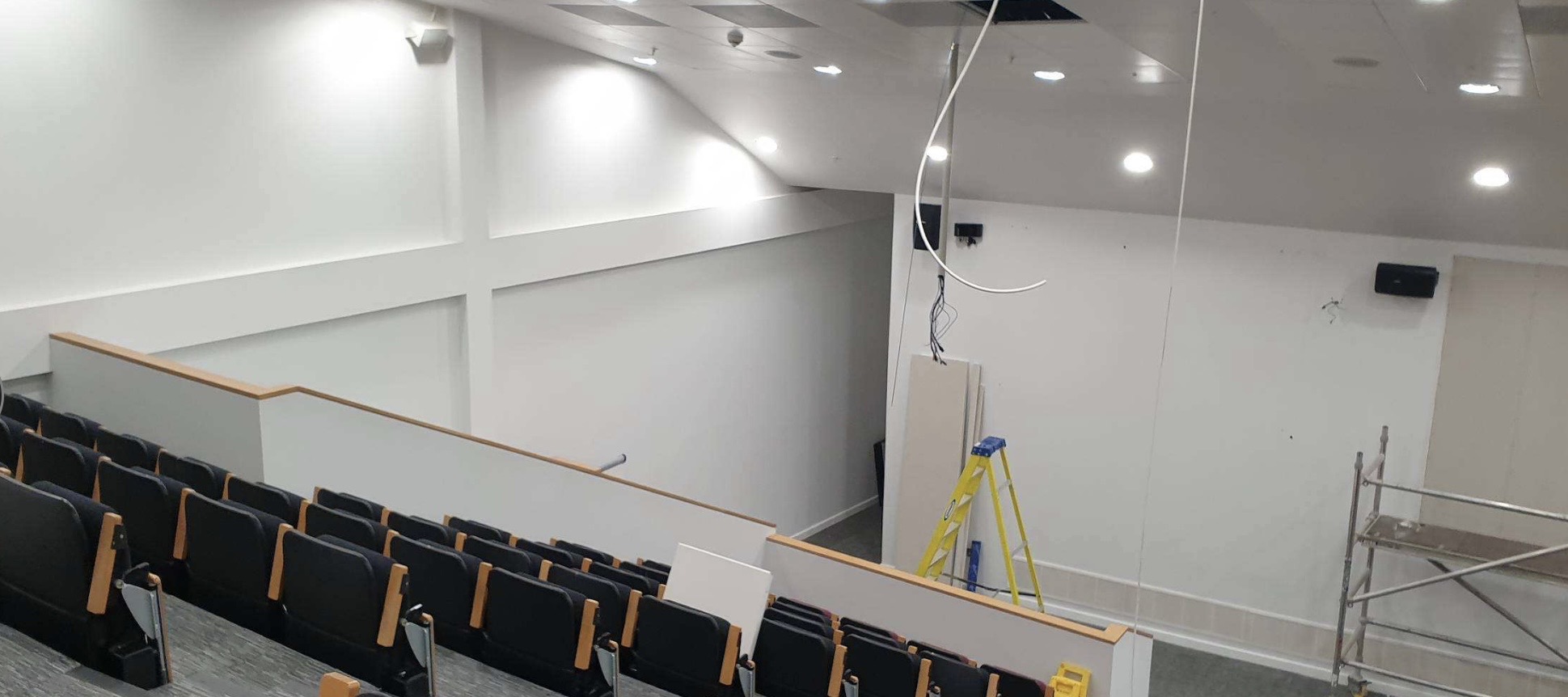
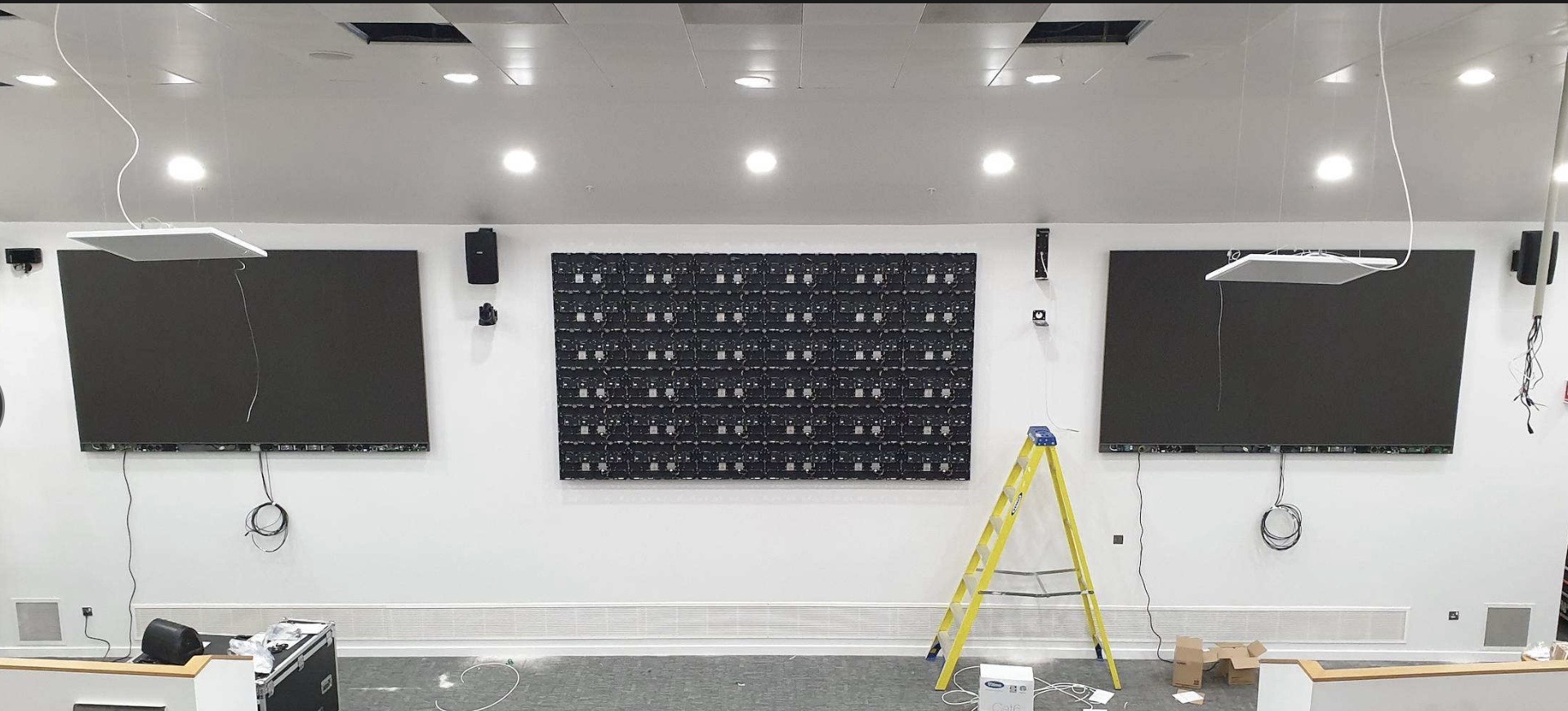
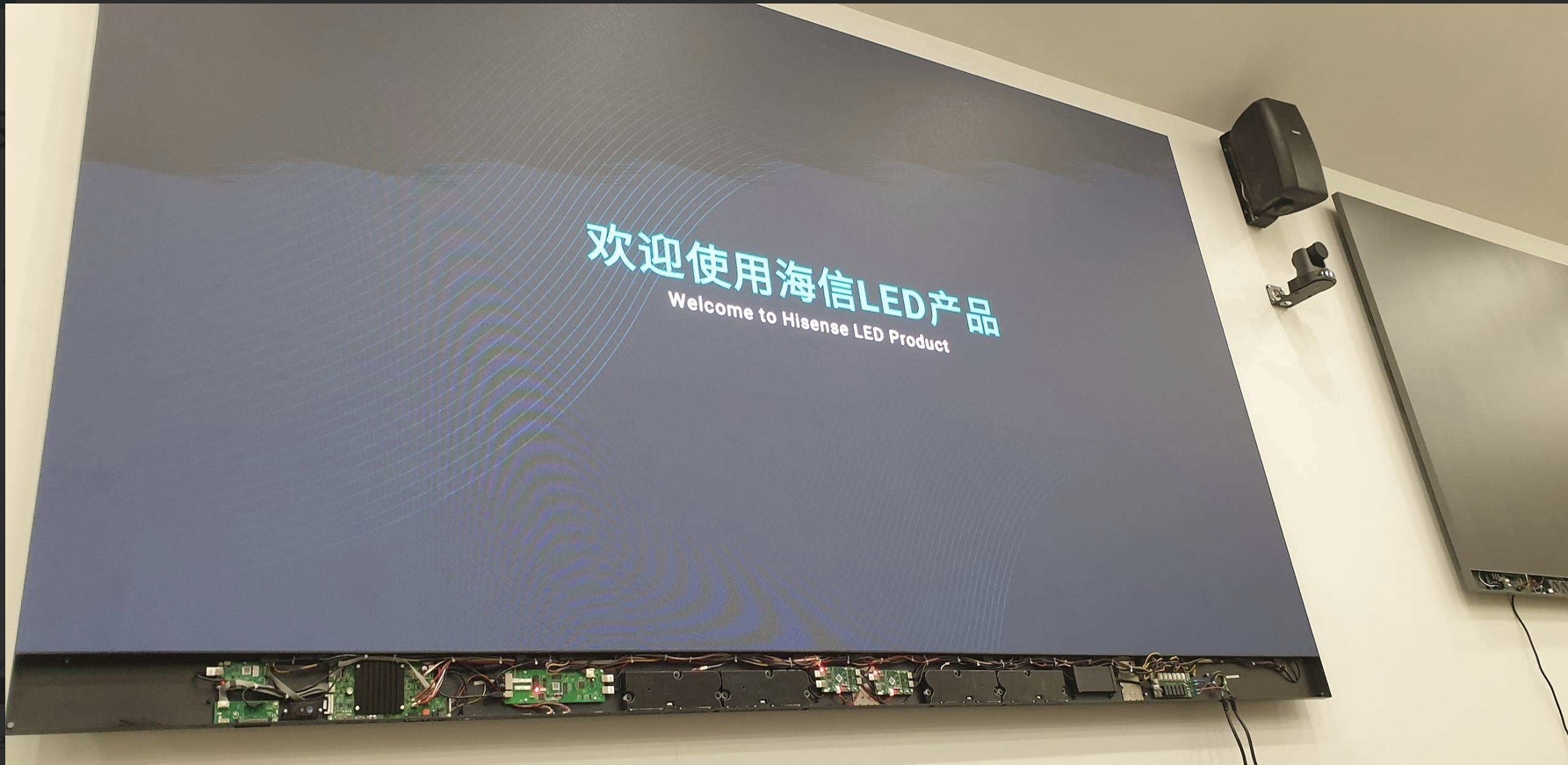
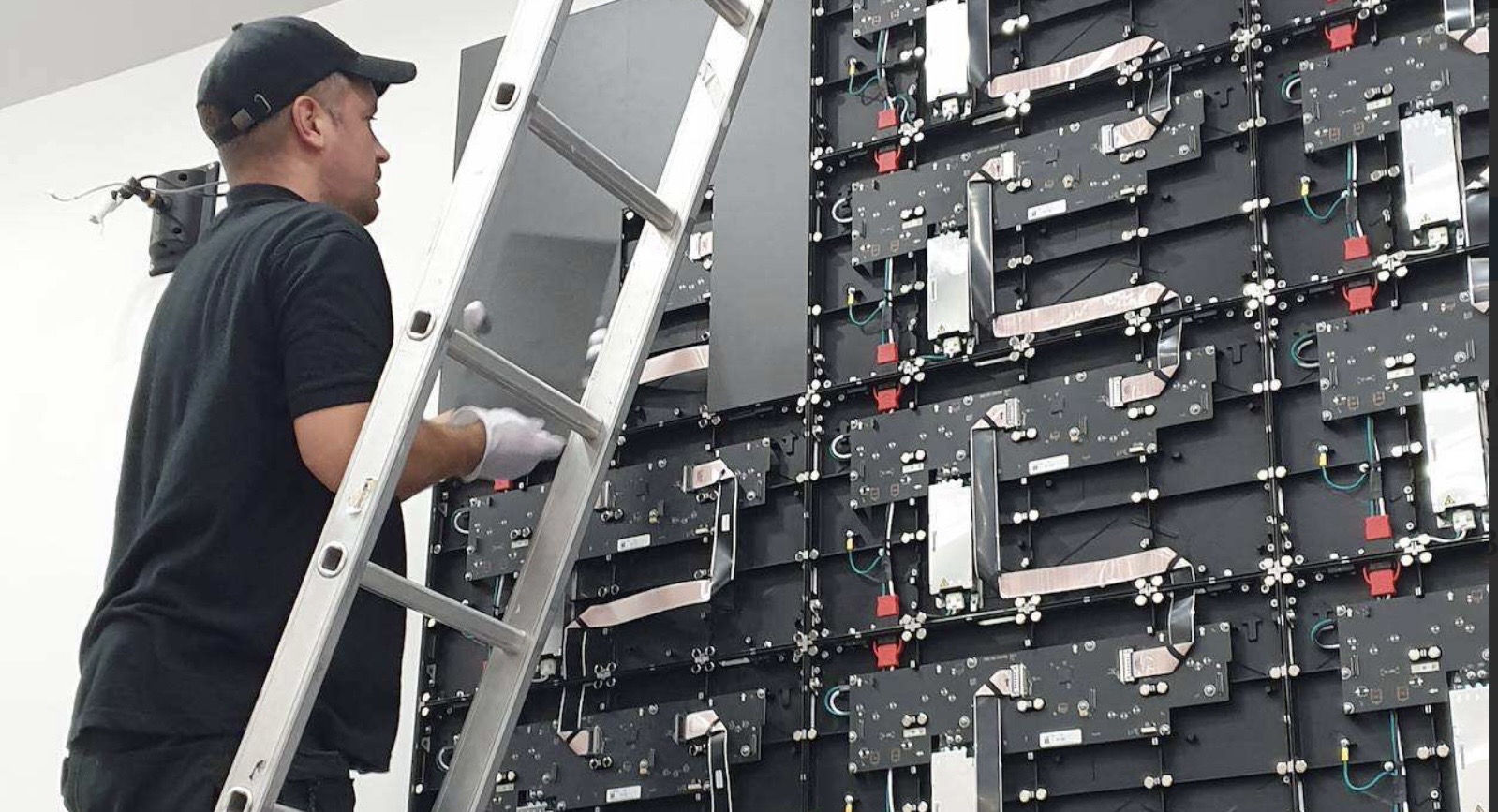
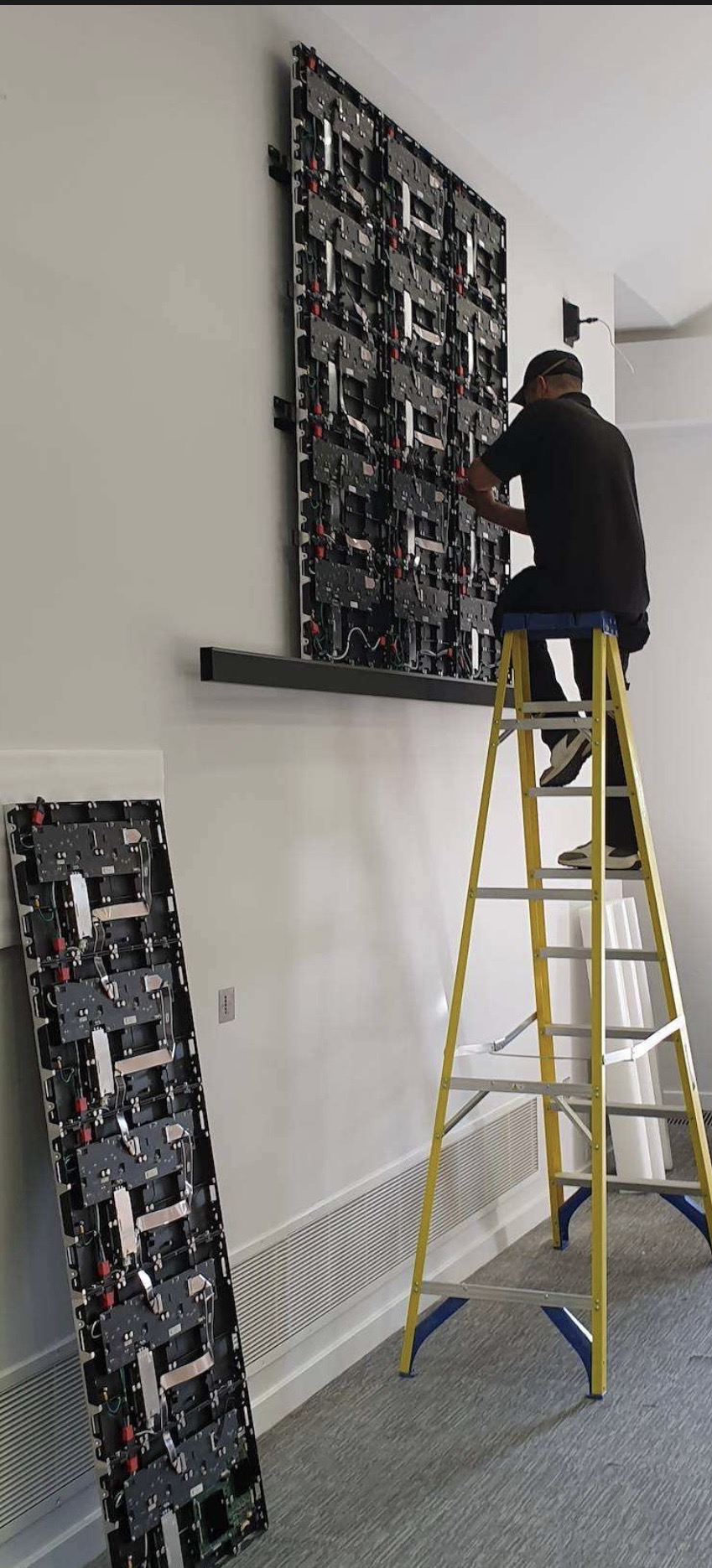
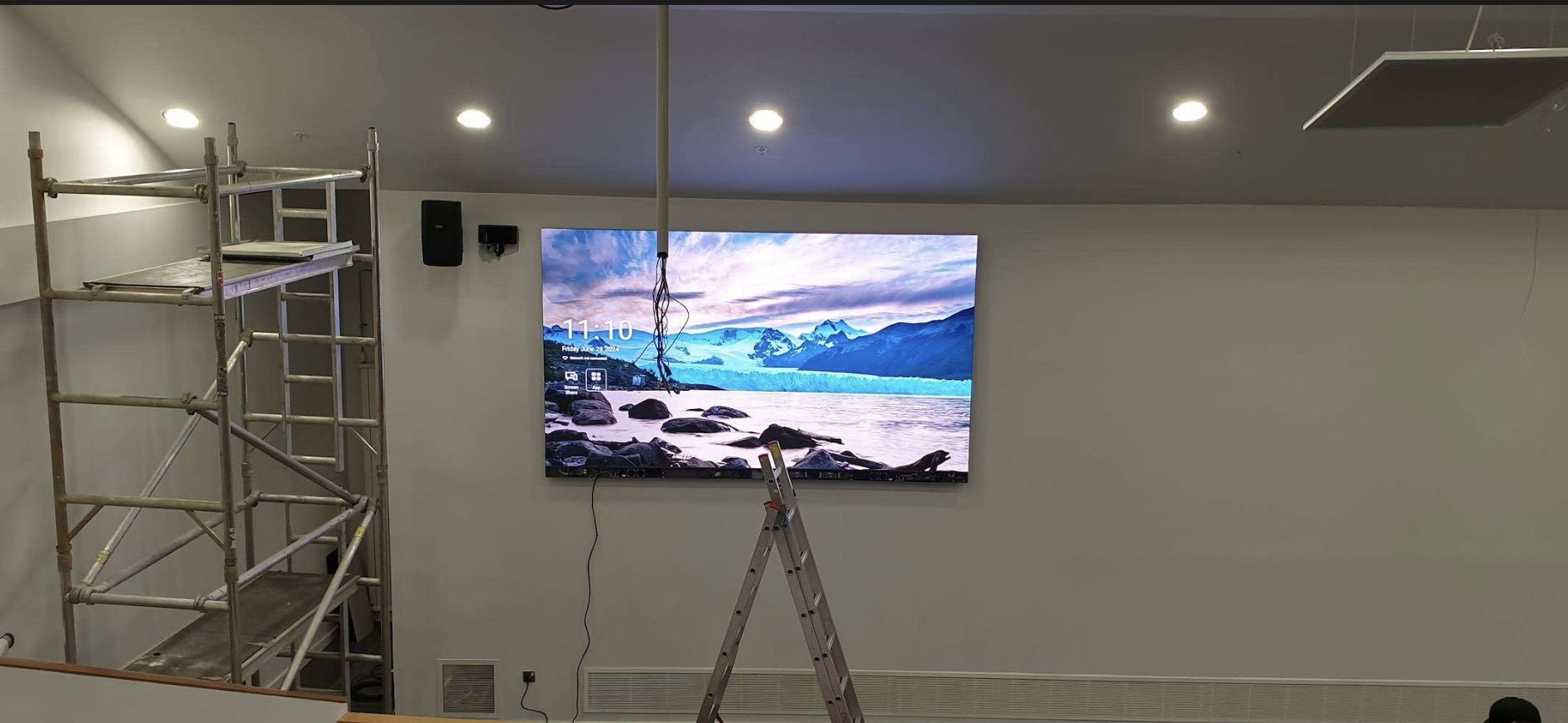
The video wall itself is built from multiple synced displays running as one image, so content and camera feeds appear consistently across the whole wall regardless of which part of it the audience is looking at. That consistency across the wall is one part of what makes the Voice-Tracking Auditorium work equally well for a ceremony, a briefing or a training session. Voice-tracking cameras automatically locate and frame whoever is speaking — including audience members during a Q&A, so a question from the floor is picked up and shown on screen without anyone needing to hand round a roving camera.
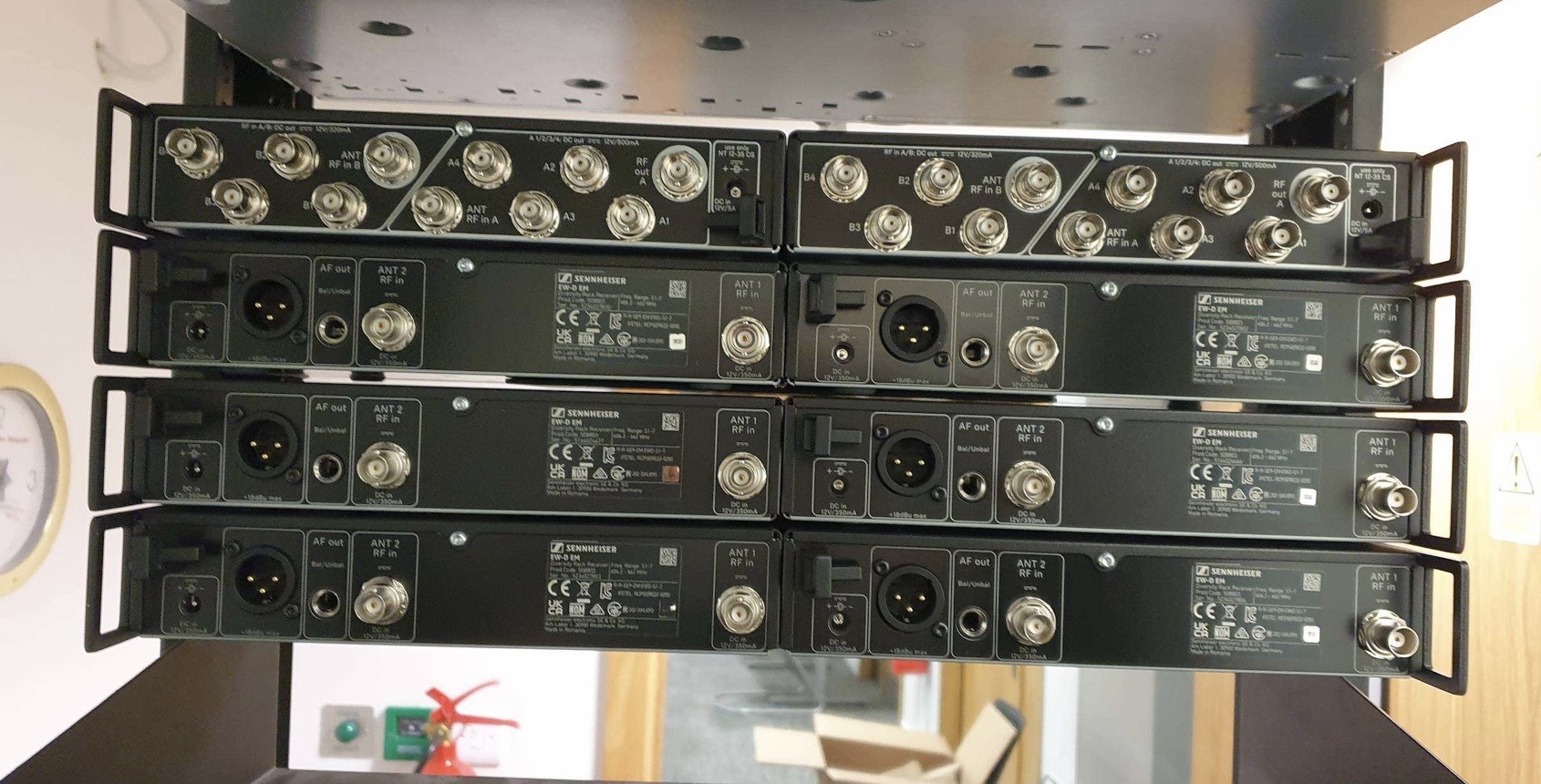
Audio works the same way. A ceiling microphone array covers the whole room, automatically upweighting the mic nearest whoever is currently speaking so their voice stays clear, while focus and sound stay with the main stage or presenter the rest of the time — no operator needed to manually switch or ride microphone levels during the event.
Multiple LED panels running as a single, synchronised display, built and calibrated as one system rather than several independent screens.
Cameras automatically locate and frame whoever is speaking, including audience members asking questions, with no operator required.
Automatically upweights the microphone nearest the current speaker, keeping focus on the main stage the rest of the time.
Every session — ceremony, training or briefing — can be streamed live to Teams for remote attendees, integrated directly with the room’s camera and audio system.
An integrated hearing loop covers the auditorium, so attendees who are hard of hearing get a clear, direct audio feed rather than relying on room acoustics alone.
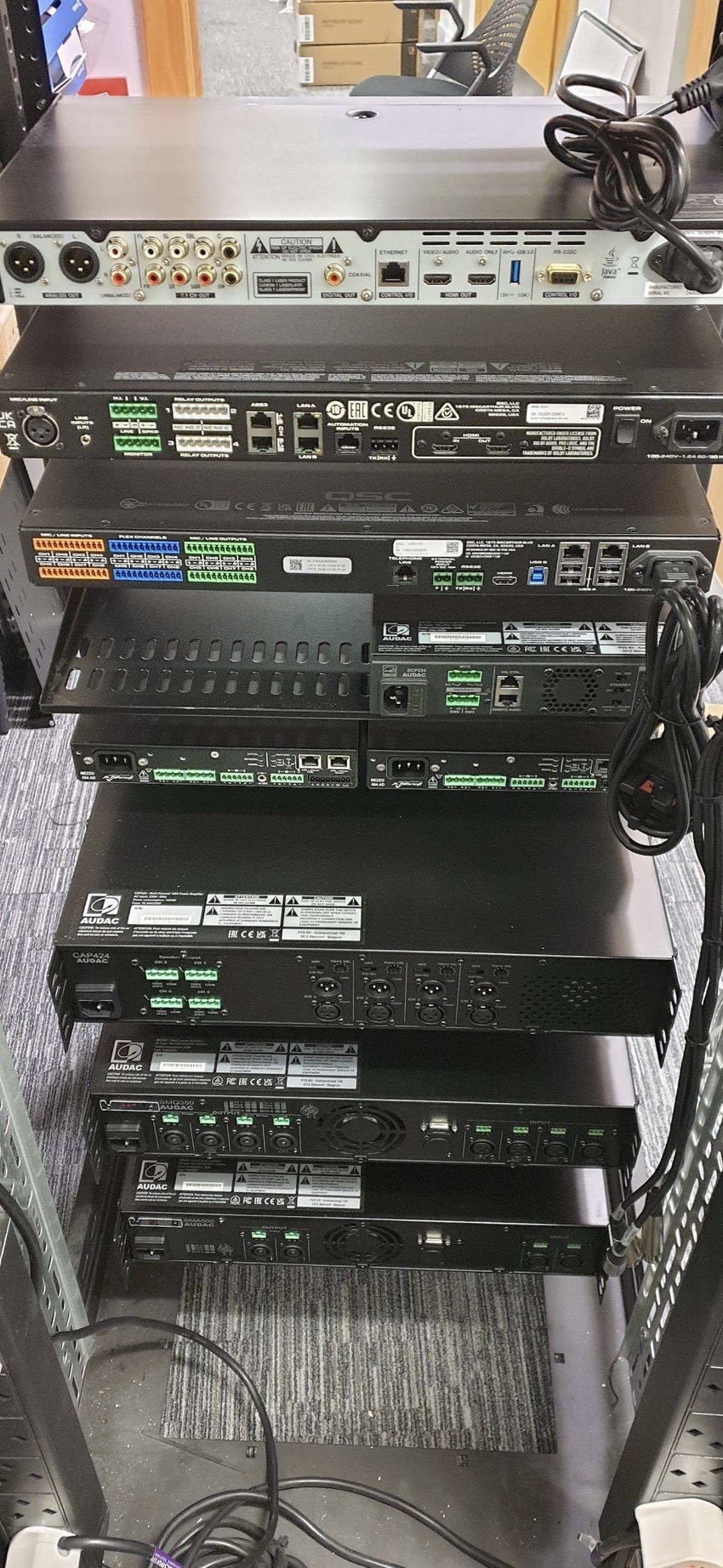
The camera tracking, microphone automixing, video wall and streaming are all programmed to work together as one system, not as separate components an operator has to coordinate manually.
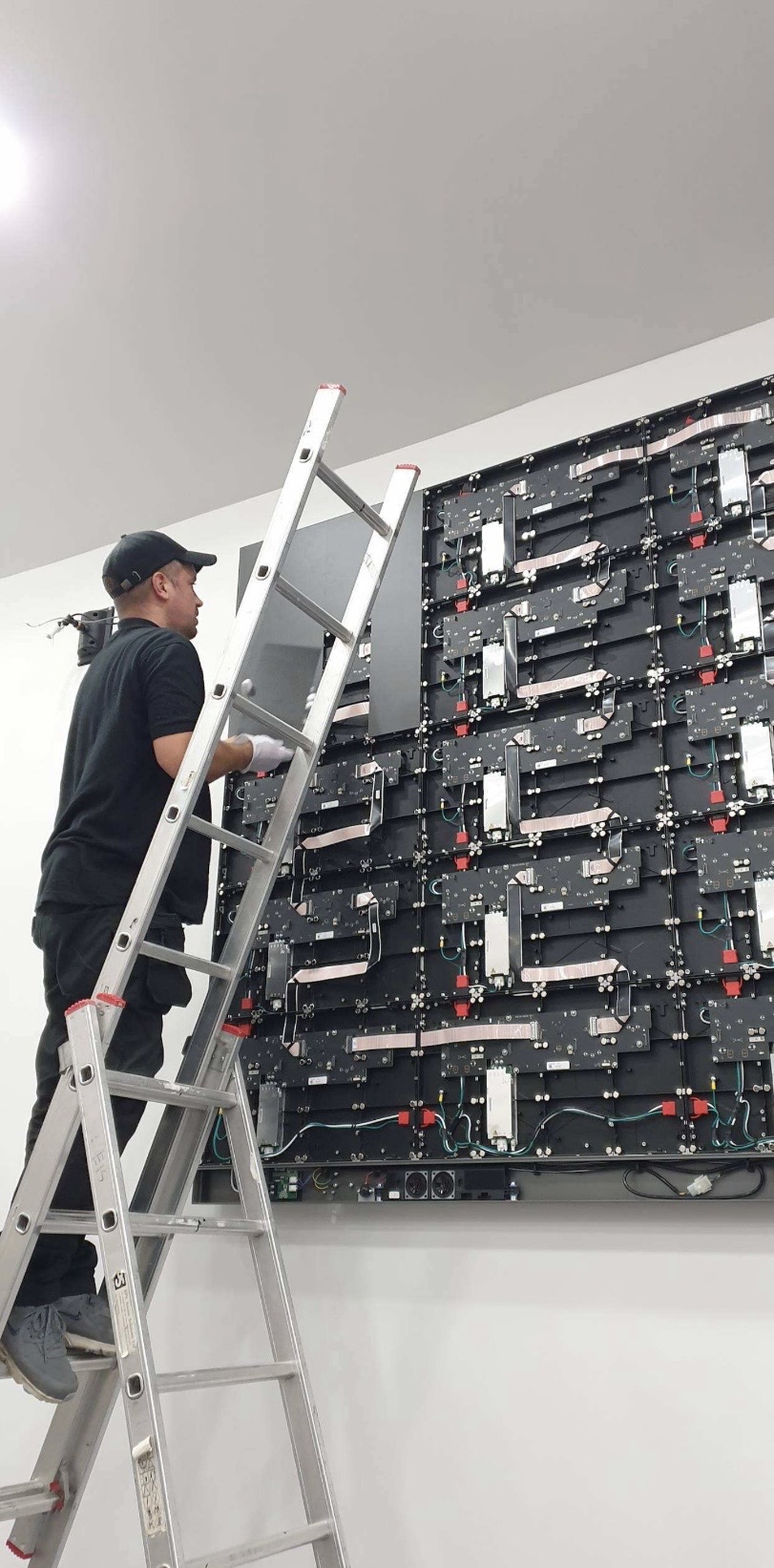
The same space now hosts graduation ceremonies, training sessions and major briefings without reconfiguring the AV between events.
Voice-tracking cameras and an automixing microphone array remove the need for someone to manually operate cameras or audio during an event.
An integrated hearing loop covers the whole auditorium, built in rather than added as an afterthought.
Every session can stream live to Teams, so attendance isn’t limited to who can physically be in the room.
Yes — voice-tracking camera systems locate and frame the active speaker automatically, including someone asking a question from the audience, removing the need for a dedicated camera operator during the event.
A ceiling array with automixing logic upweights the microphone nearest the current speaker and keeps other microphones lower, so focus stays with whoever is talking rather than picking up the whole room evenly.
Yes, once it’s built in — the camera, microphone and video wall systems are integrated with the streaming setup from the outset, so going live to Teams doesn’t need separate equipment brought in for each event.
It depends on the room’s size and construction, but yes — an induction loop can be designed to cover a full auditorium, giving attendees who are hard of hearing a direct audio feed rather than relying on the room’s natural acoustics.
Tell us what the space needs to do — we’ll tell you what a system that adapts without an operator looks like.









Find our work useful? Add us as a preferred source on Google.